The science of the Earth. The study of the Earth's materials and of the processes that shape them is known as physical geology. Historical geology is the record of past events. See also: Earth; Earth sciences
Energy from two sources continually produces changes in the Earth. Radiant energy from the Sun causes ocean currents, winds, waves, rainfall, weathering, soil formation, and a myriad of other physical and chemical changes in the outermost rocky portion of the solid Earth (lithosphere), in the fluid envelopes of water (hydrosphere) and air (atmosphere), and in the totality of living matter (the biosphere). Heat energy inside the Earth causes slow convective movements deep in the Earth's interior. The internal motions break the rigid lithosphere into large fragments called tectonic plates, which move laterally at velocities up to around 5 in. (12 cm) a year. Collisions and other interactions between moving plates of lithosphere produce the Earth's gross topography—the ocean basins, mountain ranges, even the shapes of the continents themselves. See also: Atmosphere; Biosphere; Hydrosphere; Insolation
Geologists examine rocks exposed at the Earth's surface and samples recovered from drilling. However, the radius of the Earth is 3982 mi (6371 km), and so the inner portions of the Earth must be studied remotely by means of the Earth's magnetic, electrical, gravitational, elastic, and other physical properties.
Following the spacecraft landings on the Moon, and space exploration of the other planets and their moons, the study methods of geology have been used in comparative planetology, in which the origin, development, and history of all solid bodies in the solar system are compared. Geology became a universal science in the second half of the twentieth century, and an understanding of the geological evolution of the Moon, Mars, Venus, and other planetary bodies has provided a new perspective on the Earth's history. See also: Planetary physics
 یکی از مستند های علمی بسیار سودمند و جذاب برای تمامی سنین مجموعه "100 اکتشاف برتر تاریخ بشر" می باشد. همانطور که از نام آن می توان دریافت این مجموعه اکتشافات بزرگ و مهم بشر در طول تاریخ را بررسی کرده و 100 نمونه آن ها را توسط دانشمندان با تجربه و مجرب تجزیه و تحلیل می کند. این اکتشافات مربوط به شاخه علمی خاصی نمی باشد؛ بلکه در 9 شاخه اکتشافات مربوطه را بررسی می کند. از جمله اکتشافات مربوط به علوم شیمی و فیزیک و بیولوژی و فضا و پزشکی و .... امروز قسمت چهارم از این مجموعه بسیار ارزشمند را برایتان آماده کرده ایم. قسمت چهارم مربوط است به علم زمین شناسی. در این قسمت اطلاعاتی بسیار ارزشمند در مورد کره زمین را کسب خواهید کرد از جمله هسته مرکزی زمین و رانش قاره ها و تروپوسفر و استراتوسفر و عصر یخبندان و بسیاری موضوع جذاب دیگر.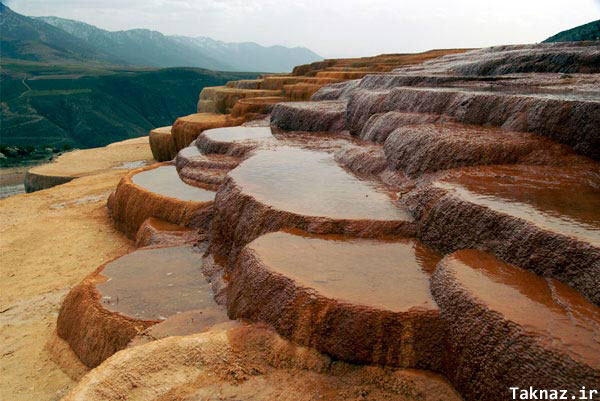
 این وبلاگ متعلق به انجمن علمی دانشجویی زمین شناسی دانشگاه خوارزمی (تربیت معلم) تهران میباشد.